

Bad Breath: What Causes It and How to Get Rid of It
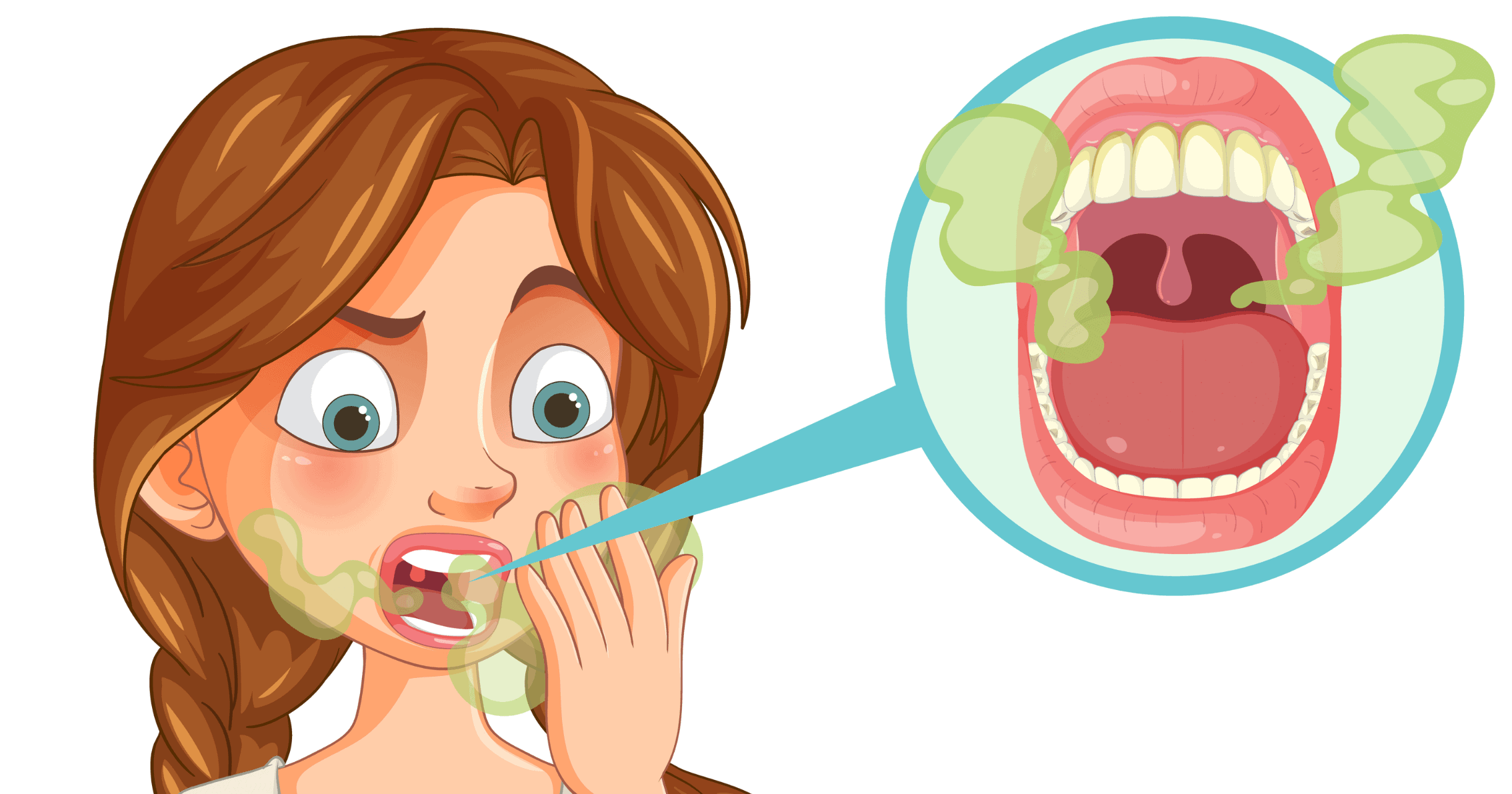
Bad breath is one of those things people notice before they mention it — and by then, the damage to your confidence is already done. Whether it comes and goes after a meal or follows you around, bad breath is more than just an inconvenience. In many cases, it is your mouth trying to tell you something.
The good news is that most causes of bad breath are treatable, and many can be addressed in the dental chair. This guide covers what is actually behind it, what you can do at home, and when it is time to get professional help.
What Causes Bad Breath?
Most bad breath comes down to bacteria breaking down food particles, dead cells, and proteins — releasing sulphur compounds that smell unpleasant. Where those bacteria build up determines what kind of bad breath you are dealing with.
Tongue coating
The tongue — especially the back of it — is one of the most common sources of bad breath. Its rough surface traps debris and bacteria, and if it is not being cleaned regularly, a thick white or yellow coating builds up. That coating is often the primary driver of halitosis.
Gum disease
Gingivitis and periodontitis create pockets of infection below the gumline that a toothbrush cannot reach. The bacteria in those pockets continuously produce foul-smelling compounds, which is why gum disease is a common cause of persistent bad breath. Until the infection is treated, the odour will not resolve.
Tooth decay and oral infections
A cavity is a bacterial infection that forms in your tooth. That process produces an unpleasant odour that does not go away with brushing because the source is inside the tooth itself. Infections around wisdom teeth, failed root canals, or post-extraction sites can produce the same result.
Plaque and poor restorations
Plaque left behind can collect along the gums and in between teeth if not properly cleaned. Dental crowns, fillings, or bridges that have deteriorated or do not fit well can also trap bacteria and debris, creating a persistent source of odour.
Dry mouth
Saliva plays a role in clearing food debris and balancing acids. When saliva production drops — due to dehydration, certain medicines, or a condition called xerostomia — bacteria multiply faster, and bad breath follows.
Tonsil stones
Small, hardened deposits may accumulate in the tonsillar pockets. They often go unnoticed but can produce a strong and persistent odour.
Diet
Foods like garlic, onion, and some spices contain volatile compounds that enter your bloodstream and are expelled through your breath. This type of bad breath is temporary but can be strong.
Quick Fixes That Help
Not everything requires a dental visit. There are things you can do at home that make a real difference — as long as the cause is not something structural.
Clean your tongue every day.
Use a tongue scraper or the back of your toothbrush. Work from the back of the tongue forward. This removes the bacterial coating that is responsible for a significant portion of day-to-day bad breath.
Brush and floss properly
Brushing twice a day for two minutes and flossing once a day is the baseline. Focus on the gumline and the spaces between teeth — that is where bacteria accumulate most.
Stay hydrated
Drinking water throughout the day keeps saliva production up and continuously washes away food debris.
Sugar-free gum
Sugar-free gum can encourage saliva production after eating, helping clean the mouth between brushings. Choose options with xylitol, which can help reduce bacteria.
Mouthwash
An antibacterial mouthwash can reduce bacteria in areas that brushing does not reach. It is a helpful addition to your routine but works best alongside proper brushing, flossing, and tongue cleaning — not as a replacement for them.
When It Needs Professional Help
There is a point where home care alone is not enough. If any of the following apply to you, book an appointment rather than reaching for another pack of mints.
- Your bad breath is consistent, not just after certain foods
- Your gums bleed during brushing or flossing
- A constant unpleasant taste is present in your mouth, not related to eating
- Your mouth feels consistently dry despite drinking enough water
- You have a tooth that has been aching or sensitive for a while
- You have noticed your gums pulling back from your teeth, or a tooth feels slightly loose
These are signs that something is happening beneath the surface that home care cannot fix.
Professional Treatment for Bad Breath
The right treatment depends entirely on what is driving the problem. There is no universal solution for halitosis, which is exactly why a proper examination matters.
Scale and clean
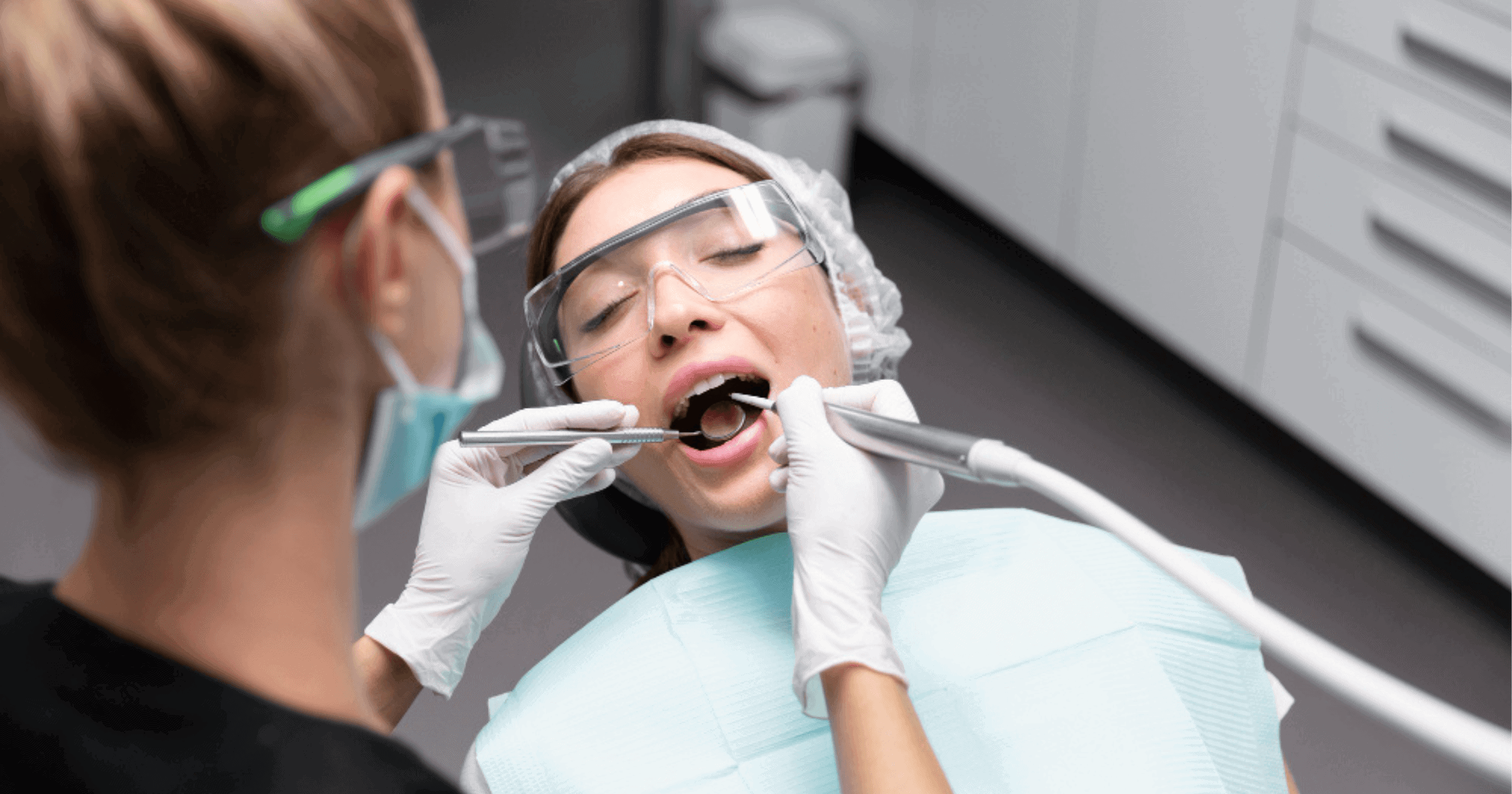
A professional scale and clean removes calculus and bacteria from areas that home brushing cannot reach, including below the gumline. For many patients, this alone produces a noticeable improvement.
Treating gum disease
If gum disease is the cause, treatment may involve root planing, which cleans the root surfaces within the gum pockets. In more advanced cases, ongoing periodontal management may be recommended.
Treating decay and infections
Cavities are filled, infections are treated, and any compromised restorations are assessed and replaced where necessary. Removing the source of bacterial activity removes the odour.
Dry mouth management
Treatment might include saliva substitutes, adjustments to medicines in coordination with your GP, and specific at-home care advice to reduce the impact.
Referral if non-dental
In some cases, bad breath originates from outside the mouth — conditions affecting the sinuses, tonsils, digestive system, or other systemic factors. If dental causes have been ruled out, we will arrange a referral to the right healthcare provider.
Frequently Asked Questions
Can bad breath come from the stomach?
It can, but it is less common than people think. Conditions like acid reflux or GORD can cause odour-producing gases to travel upward. However, the majority of bad breath originates in the mouth, so a dental assessment is always the right starting point.
Does mouthwash actually help with bad breath?
Yes, as part of a complete oral hygiene routine — but it does not treat gum disease or remove plaque on its own.
How do I know if I have bad breath?
It is genuinely difficult to self-assess. You can lick your wrist, let it dry, and smell it for a rough indication. Alternatively, ask someone you trust. We also assess oral odour as part of a routine examination, so raise it at your next visit.
Could bad breath be a sign of a serious condition?
In most cases, it points to a dental issue — gum disease, tooth decay, or poor hygiene. That said, persistent bad breath that does not improve with dental treatment can sometimes indicate conditions involving the kidneys, liver, or respiratory system, which is why it should always be investigated properly.
Can children get bad breath?
Yes. Children can develop bad breath for the same reasons adults do — bacterial buildup, mouth breathing, dry mouth, cavities, or tonsil stones. If your child has persistent bad breath, a dental check-up is the best first step.
Bad Breath Treatment in Belmont WA
If bad breath has been bothering you — or if someone close to you has noticed — it is worth getting it checked out.
At Epsom Dental Care, we see patients from Belmont WA and the surrounding areas of Rivervale, Cloverdale, Redcliffe, and Ascot. We will examine your gums, teeth, and tongue, identify the cause of the problem, and put together a straightforward treatment plan.
Call us on (08) 9478 2349 or book online. Visit us at 5/132 Epsom Ave, Belmont WA.