Dental Emergency
Emergency dentist in Belmont WA
If you have a toothache, dental injury or swelling, call Epsom Dental Care on (08) 9478 2349. Tell our team what happened and when symptoms started. We will explain the earliest available appointment; same-day care depends on availability.
Our clinic is at 5/132 Epsom Ave, Belmont WA 6104. We are open Monday to Friday, 8:00 am–5:00 pm, and closed on weekends. You can also request an appointment online; this is a request until the practice confirms it. For urgent symptoms, please call rather than wait for an online response.

Is it a dental emergency?
Call Epsom Dental Care promptly if a permanent tooth has been knocked out or moved, pain is severe or worsening, you have swelling, bleeding after an injury, or you suspect an abscess. Tell us when symptoms began, what happened, and whether the patient is a child. We will explain the earliest available appointment; same-day care depends on availability.
If swelling affects breathing or swallowing, spreads around the eye or neck, or you have other life-threatening symptoms, seek emergency medical care or call 000. Outside our opening hours, seek an available emergency dental service for an urgent dental problem.
Most Common Dental Emergencies in Belmont WA
Here are some of the most common dental emergencies we see in Belmont WA, and what you need to do to treat them.

Toothache
Rinse gently with warm water. If food is trapped, use dental floss carefully; do not force it around a painful tooth. A cold compress on the outside of the cheek may help with swelling. Do not place aspirin or other painkillers directly on the gum.
Call the practice if pain is severe, persists or is getting worse, especially if you also have swelling or fever. A dentist needs to assess the cause before recommending treatment.
Knocked-out tooth
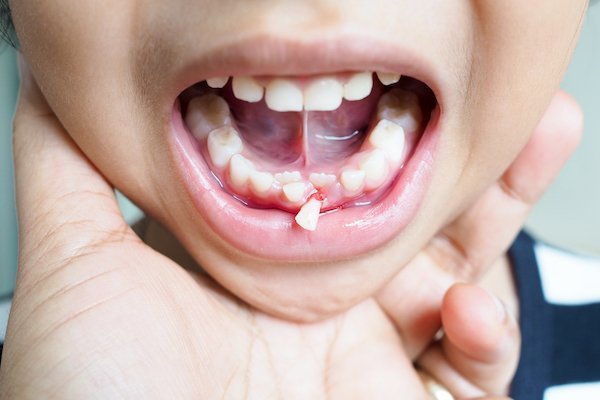
If a permanent tooth is knocked out, hold it by the crown, not the root. If it is dirty, briefly rinse it with milk or saline; do not scrub it. If it fits easily, an adult can gently place it back in the socket. Otherwise keep it moist in milk or saline and seek urgent dental care. Do not store it dry.
Do not put a knocked-out baby tooth back into the socket. Contact a dentist promptly for a child, and tell the team it is a baby tooth. The sooner a permanent tooth is assessed, the better its chance of being saved, but treatment depends on the injury.
Cracked or chipped tooth
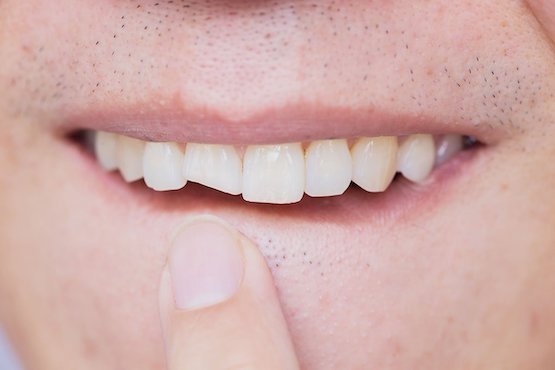
Rinse gently with warm water. If there is swelling, place a cold compress against the outside of the cheek. Save any broken fragment in milk or saline if you can find it, and avoid chewing on that side.
Contact the practice for an assessment, particularly if the tooth is painful, sharp, loose or sensitive. The dentist can explain whether a filling, bonding, crown or other treatment is appropriate after examining it.
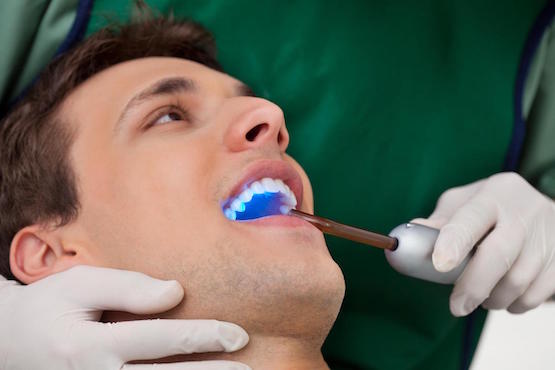
Dental Abscess
- Rinse your mouth with lukewarm saltwater several times before you see your dentist.
- Go to your dentist immediately.
Book emergency dental care in Belmont
Call (08) 9478 2349 during opening hours and describe your symptoms so our team can advise the earliest available appointment. Same-day care depends on availability. An online appointment request is pending until confirmed by the practice.
Find us at 5/132 Epsom Ave, Belmont WA 6104. We are open Monday to Friday, 8:00 am–5:00 pm. If we are closed and your dental problem cannot wait, seek an available emergency dental service. For life-threatening symptoms, call 000.