

Dental Retainer Guide: Types, Wear Time and Care
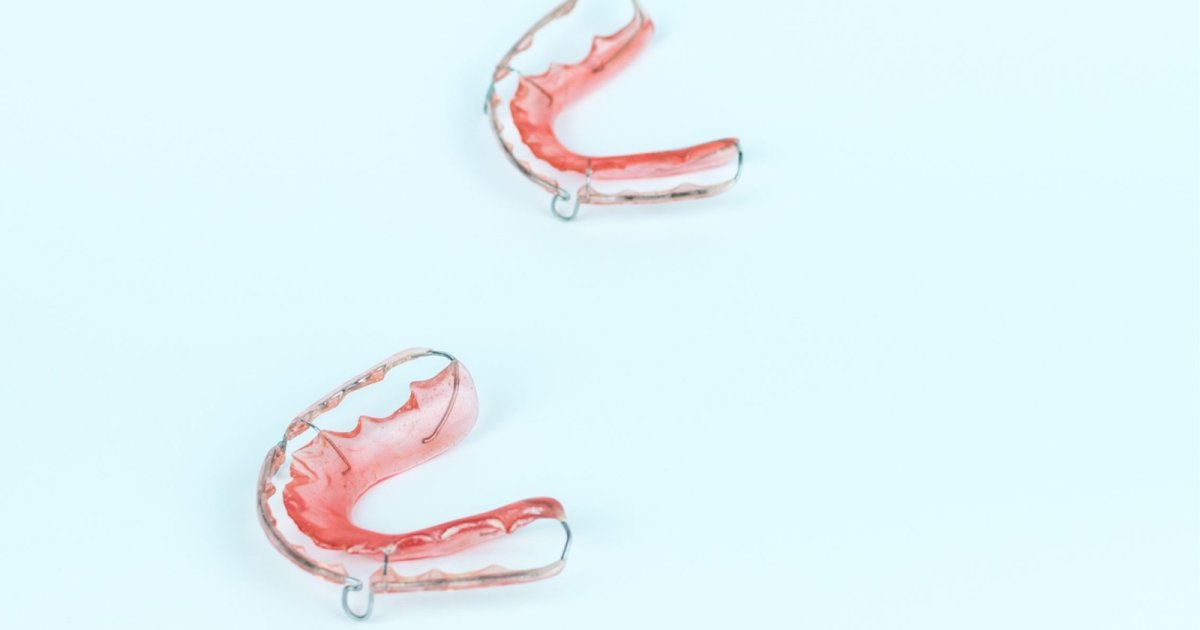
Taking off your braces or finishing a set of clear aligners feels like the end of treatment, but the last step is the one that protects the result. A dental retainer holds your teeth in their new position, and wearing it as directed matters as much as the treatment itself.
This guide covers the types of retainers, how long to wear one, how to clean it, what the first weeks feel like and what to do when something goes wrong.
This article is general information only. Your dentist will give you a schedule for your own retainer, and that takes priority over anything here.
What Does a Dental Retainer Do?
Braces and aligners move teeth by loosening the ligaments and connective tissue around them. When the appliances come off, those fibres are still settling, and the teeth can drift back towards where they started. A retainer reduces that risk (Orthodontics Australia, “Do You Need a Retainer After Orthodontic Treatment?”, 2020).
It holds the teeth in place. It doesn’t move them further.
Types of Retainers
Removable retainers
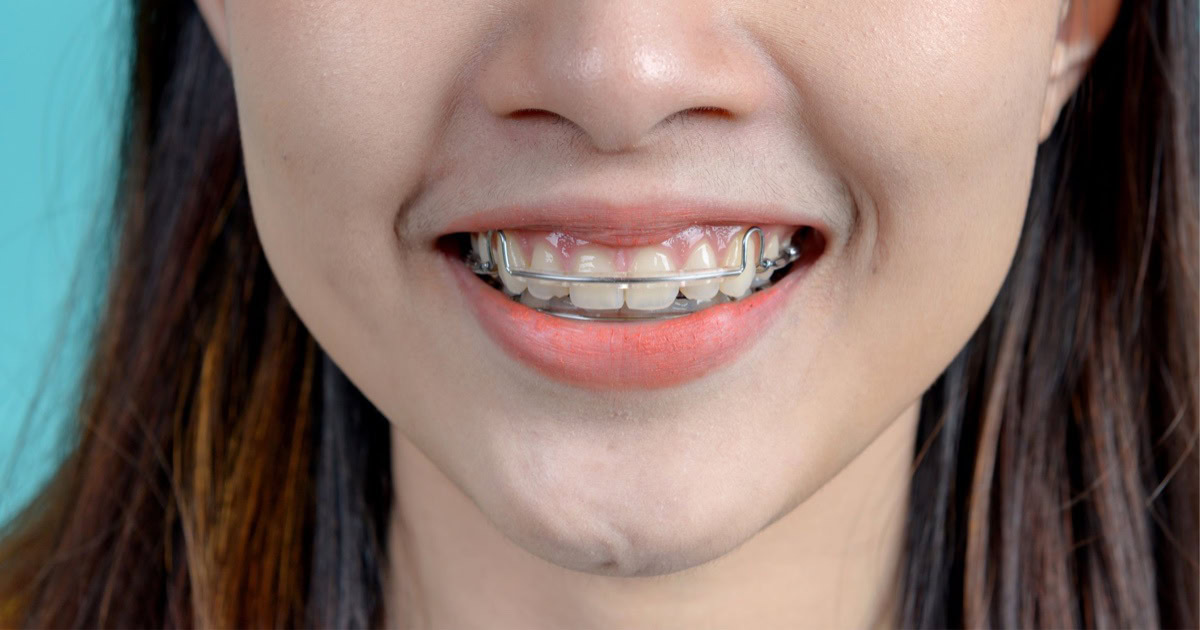
A removable retainer is one you take out. There are two common kinds:
- Clear plastic retainers are thin, transparent trays that fit over the teeth. They are discreet, but the plastic can wear and needs replacing.
- Plate retainers have an acrylic base that sits against the roof of the mouth or under the tongue, with a wire across the front of the teeth. They are durable, but bulkier and more visible.
Fixed (permanent) retainers
A thin wire is secured to the inner surfaces of selected teeth to help maintain their position after orthodontic treatment. This type of appliance is called a fixed retainer. You don’t need to remember to put it in, but cleaning around it takes more care. Despite the name, it can come loose or break and may need repair or replacement.
Some patients have both: a fixed retainer on one arch and a removable one on the other. Your dentist will recommend the combination that suits your case.
How Long to Wear a Retainer
There is no single schedule, and your dentist sets yours. Orthodontics Australia gives an example: a retainer worn about 22 hours a day at first, then at night only after around three months, as the clinician advises (Orthodontics Australia, 2020). It also says teeth can keep moving throughout life, so it is common to wear retainers for years, if not decades.
A 2019 survey of Australian orthodontists found that most recommended indefinite retainer wear (Meade and Dreyer, Australasian Orthodontic Journal, 2019).
Don’t cut back on your own. If you want to wear it less, ask your dentist first.
Your First Weeks with a Retainer
A new retainer can feel strange for a while:
- It may feel tight, especially in the first few days.
- Your speech may sound slightly different, and the plate type can make you lisp at first.
- You may notice more saliva.
- A plate retainer can feel bulky against the roof of your mouth or rub the cheeks.
These usually settle as you get used to it. If soreness persists, a spot rubs, or the retainer feels loose, tell your dentist.
How to Clean a Retainer
Removable retainers
- Rinse it after taking it out, and clean it gently every day with a soft toothbrush and a mild soap or a cleaning product made for retainers.
- Use cool or lukewarm water. Hot water can warp the plastic, and so can a dishwasher.
- Avoid abrasive toothpaste, which can scratch clear plastic.
- Don’t bend or twist it.
Fixed retainers
- Brush around the wire carefully.
- Use floss threaders or interdental brushes to clean between the teeth, since ordinary floss can’t get under the wire.
- Run your tongue along it from time to time. If it feels different, have it checked.
Everyday Habits That Protect Your Retainer
- Keep it in its case when it’s out of your mouth, never in a tissue or napkin, where it is easily thrown away.
- Take it out to eat and for hot drinks.
- Keep it away from heat, such as a hot car, a windowsill or boiling water.
- Keep it away from pets. Dogs often chew them.
- Take it out for contact sports, and wear a mouthguard instead.
- Take it with you when you travel. A spare case helps.
- Bring it to your check-ups.
Problems and What to Do
- It’s lost or broken. Contact the practice promptly. Teeth can start to move when the retainer isn’t worn, so don’t wait.
- It doesn’t fit, or feels tight. Don’t force it in. Teeth may have moved, and your dentist can assess it.
- A fixed retainer feels loose, or a wire has come off a tooth. Make an appointment, and don’t try to glue it yourself.
- A bad taste or smell. Clean it more carefully, and ask your dentist if it doesn’t clear.
- Sore gums or a rubbing spot. Mention it. A small adjustment can help.
Fixed retainers should be checked regularly, as they can break over time (Orthodontics Australia, 2020).
What Retainers Can and Can’t Do
A retainer helps hold your teeth in place. It cannot guarantee they will never move, and it doesn’t straighten teeth that have already shifted.
Things to be aware of:
- Plaque can build up around a fixed retainer, which can lead to gum problems or decay if cleaning is not thorough.
- Removable retainers wear, crack or get lost, and need replacing.
- A retainer that’s worn irregularly may stop fitting.
- If teeth move, you may need further treatment.
Results vary between patients.
Retainer FAQs
Do I need a retainer after clear aligners?
Yes. Retainers are needed after any orthodontic treatment, whether braces or clear aligners (Orthodontics Australia, 2020).
Can I use my old retainer?
Only if it still fits comfortably and your dentist agrees. An old retainer that no longer seats properly shouldn’t be forced, and a plastic one that has worn may not hold the teeth well.
Will a retainer straighten teeth that have moved?
No. A retainer holds teeth in position, and it isn’t designed to move them. If your teeth have shifted, ask your dentist what can be done.
Do fixed retainers need checking?
Yes. Fixed retainers can break over time, so they should be checked by your dentist regularly (Orthodontics Australia, 2020).
Book an Orthodontic Consultation in Belmont WA
Finished treatment and unsure about your retainer, or thinking about straightening your teeth? The next step is an examination.
At Epsom Dental Care, your dentist can look at your teeth, check how your retainer fits and talk through your options before you decide on anything. You can also read about orthodontics in Belmont WA, retainers, and our article on things to know before starting clear aligner treatment.
Call us on (08) 9478 2349 or request an appointment online to arrange an orthodontic consultation.
We are at 5/132 Epsom Ave, Belmont WA 6104, and we see patients from Belmont, Redcliffe, Ascot, Kewdale and Rivervale.
Sources: Orthodontics Australia, “Do You Need a Retainer After Orthodontic Treatment?”, 29 June 2020. Meade MJ and Dreyer CW, Australasian Orthodontic Journal, 2019; 35(2):174-183.
This article is general information and does not replace advice from a registered dental practitioner. All dental procedures carry risks. Results vary between patients. Ask your dentist whether treatment is appropriate for you.