
Understanding Dental Implants in Belmont WA: What You Should Know Before Treatment
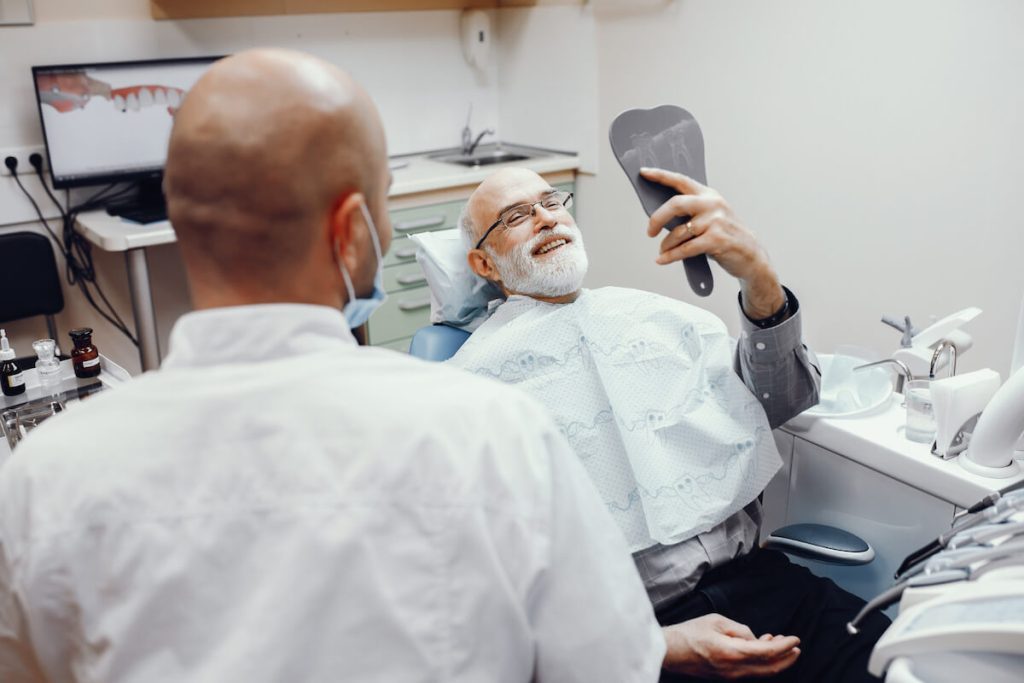
Do you have missing teeth and are considering long-term replacement options in Belmont, WA, or nearby suburbs? Many patients choose dental implants when looking for a long-term, natural-feeling replacement for missing teeth.
Before moving forward, it’s important to understand not only how implants work, but also the factors that can influence treatment success, recovery, and long-term outcomes.
Why Dental Implants Are Commonly Considered
Dental implants help restore missing teeth in a way that supports everyday function and appearance. They are placed into the jawbone to provide a stable support structure for a prosthetic tooth.
Many patients choose implants because they can:
- Improve chewing ability compared to removable options
- Restore natural-looking teeth
- Help support jawbone structure over time
- Provide a long-term replacement option when suitable
However, suitability varies from person to person, which is why a proper assessment is always essential.
What Makes a Patient Suitable for Dental Implants?
Not every patient is immediately ready for implant treatment. Several factors need to be considered before proceeding.
Gum and oral health
Healthy gums must support an implant. Any existing gum disease must be treated first to reduce the risk of complications.
Jawbone condition
The implant requires adequate bone density to be supported. In some cases where bone has reduced over time, additional procedures may be recommended before placement.
General health factors
Healing plays a major role in implant success. Conditions that affect recovery may need to be managed before treatment is planned.
Smoking habits
Smoking can slow down healing and may increase the risk of implant complications. Patients are usually advised to reduce or stop smoking before and after treatment.
A full clinical assessment helps determine whether implants are appropriate for your situation.
Risks and Considerations to Be Aware Of
Like any dental procedure, implants come with considerations that should be understood before making a decision.
Healing and integration challenges
After implantation, the implant takes time to fuse with the jawbone. In some cases, this process may take longer depending on the individual’s healing response.
Infection risk
Although uncommon, infections can occur if post-treatment care is not followed properly. Good oral hygiene and regular examination help reduce this risk.
Bone-related changes
If bone support is insufficient or changes over time, it may affect long-term stability.
Nerve or sinus proximity (case-dependent)
Depending on implant location, careful planning is required to avoid sensitive anatomical areas.
These considerations are assessed and managed through careful planning and imaging before treatment begins.
What Your Treatment Journey May Look Like
While every case is different, dental implant treatment generally follows a structured approach tailored to your needs.
Initial consultation
Your teeth, gums, and jawbone will all be evaluated by your dentist. Imaging may be used to help understand bone structure and placement options.
Treatment planning
Your oral health, the number of lost teeth, and implant suitability are taken into account when creating a customised plan.
Implant placement
During a scheduled procedure, the implant is inserted into the jawbone.
Healing period
Over time, the implant naturally integrates with the bone. This phase is important for long-term stability.
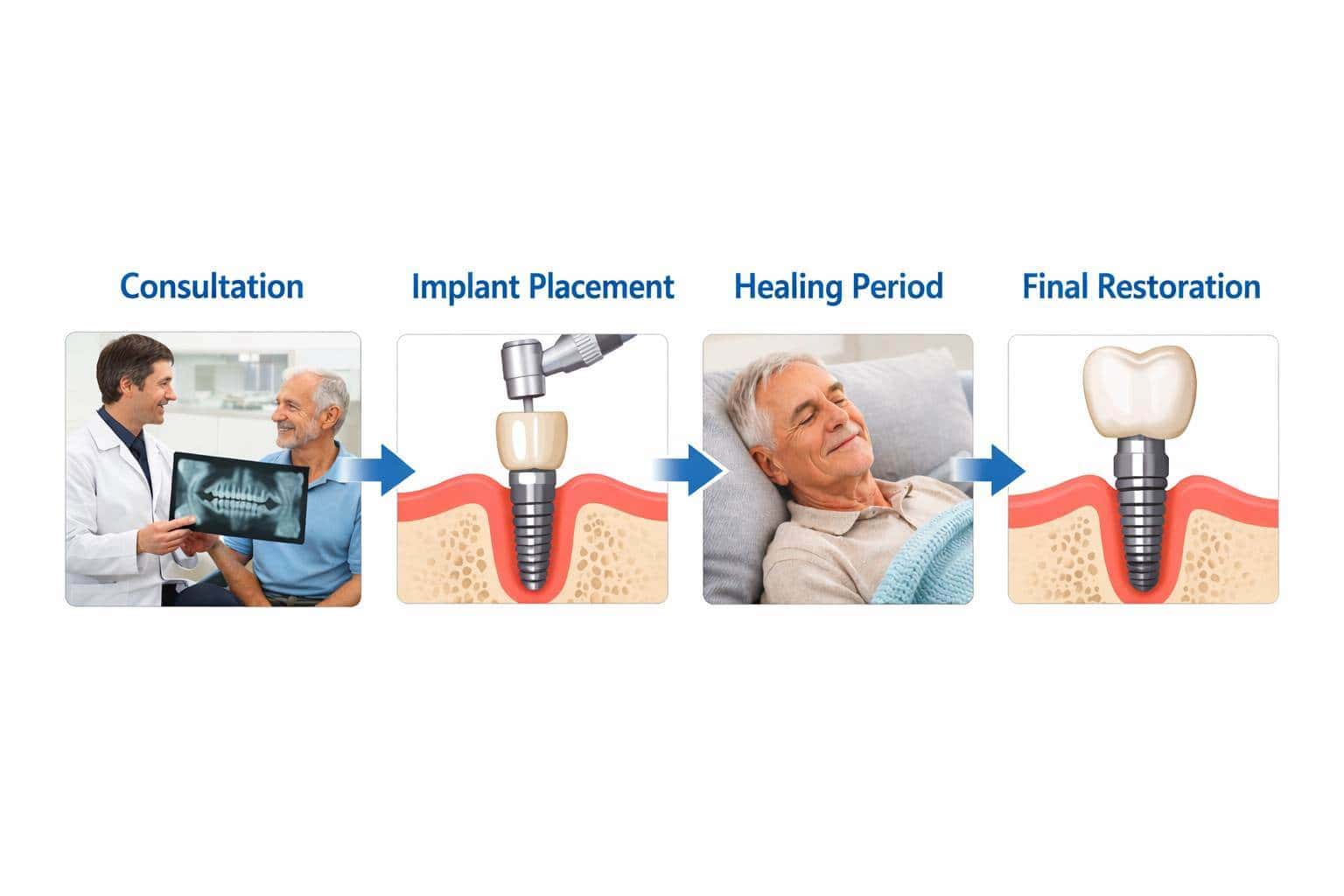
Final restoration
Once healing is complete, a custom-made crown is attached to complete your smile.
Factors That Influence Treatment Planning
Every dental implant case is unique. Some of the factors that influence your treatment plan include:
- Number of missing teeth
- Bone availability and quality
- Need for preparatory procedures
- Type of restoration required
- Overall oral health condition
Because of these factors, a personalised consultation is essential before treatment begins to ensure the most appropriate approach is recommended for your situation.
Understanding Your Treatment Options
Depending on your needs, dental implants can be used in various ways. You may only require a single tooth replacement, or you may need multiple teeth restored.
We analyse your case thoroughly and offer the most appropriate approach depending on your oral health, comfort, and long-term goals.
Living With Dental Implants
Once fully healed, dental implants function similarly to natural teeth.
Most patients can:
- Eat a wide variety of foods comfortably
- Speak normally without movement concerns
- Brush and floss frequently to maintain good dental hygiene.
- Attend routine dental check-ups for long-term care.
With consistent maintenance, implants can remain stable for many years.
Why Local Care Matters for Dental Implants in Belmont WA
Once your treatment plan has been recommended, ongoing care and support are essential to ensuring a smooth, well-managed implant journey.
Choosing local care means you can benefit from:
- Easy access to follow-up appointments
- Ongoing monitoring during healing
- Consistent support throughout treatment
- A structured, long-term care approach
Frequently Asked Questions
How long does healing take after dental implants?
Healing can vary, but the implant typically takes several months to fully integrate with the bone before the final tooth is placed.
Are dental implants suitable for everyone?
Not always. Suitability depends on bone health, gum condition, and overall medical factors, which are assessed during consultation.
What happens if I don’t have enough bone?
In some circumstances, additional procedures may be required to support implant placement.
Can dental implants feel natural?
Yes, once fully healed, implants are designed to function and feel similar to natural teeth.
Dental Implants in Belmont WA
If you’re considering dental implants in Belmont WA, the next best step is a personalised assessment to determine your suitability and treatment options.
At Epsom Dental Care, we take a careful, tailored approach to implant planning to support long-term oral health and function.
We welcome patients from Belmont, Rivervale, Ascot, Redcliffe, and Cloverdale.
Call us at (08) 9478 2349 today or schedule your appointment online.
You can visit us at 5/132 Epsom Ave in Belmont WA.