
Gum Recession: What Causes It and How It’s Treated
Gum recession has an awkward characteristic: by the time most people notice it, it’s already been progressing for some time. There’s rarely a moment where something obviously goes wrong.
The gumline drops gradually, teeth begin to look longer, and sensitivity creeps in — often written off as something else entirely until a dentist points out what’s actually happening.
Understanding what drives recession and what the early signs look like makes it possible to act before it becomes a more involved problem to treat.
What Is Gum Recession?
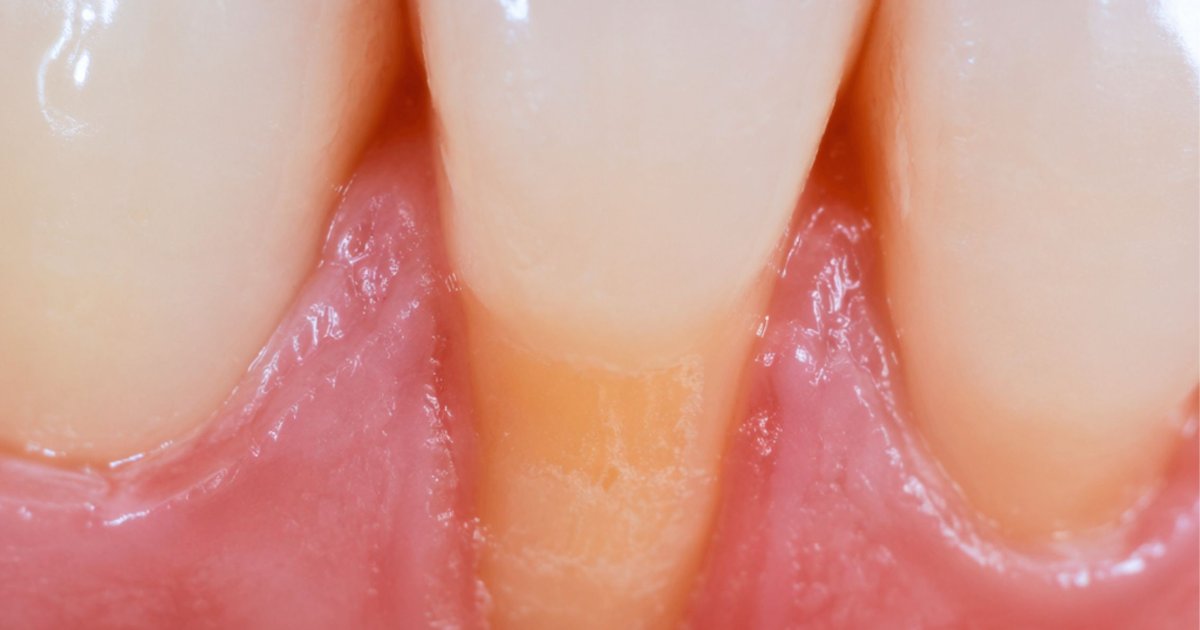
Gum recession is characterised by the movement of the gum tissue around the tooth line away from the tooth, leaving the root structures below the gum line exposed. The root of a tooth has no enamel — only a thin layer called cementum, which provides far less protection against decay, sensitivity, and wear than the enamel covering the crown.
Once gum tissue recedes, it doesn’t regenerate on its own. Treatment can stop the progression and, where the exposure is significant, restore lost tissue — but the window for straightforward intervention is widest when recession is caught early.
Common Causes
Recession develops from a range of causes, and in many patients more than one factor is involved simultaneously.
Aggressive brushing
Counterintuitively, patients who brush with the most effort are sometimes the ones most affected by recession. A firm toothbrush or too much pressure gradually abrades the gum tissue at the margin, wearing it back over months and years.
The damage is slow and cumulative — which is why it often goes unnoticed until it’s significant. The most noticeable recession will occur on the external surfaces of upper and lower teeth where there will be a greater force in the mouth.
Periodontal disease
Gum disease is the most significant systemic cause of recession. As a bacterial infection progresses below the gumline, it destroys the connective tissue and bone that support the teeth.
The gums pull back as these structures are lost. Recession from periodontal disease tends to affect multiple teeth and is accompanied by other signs — bleeding, loose teeth, swollen gums, or persistent bad breath.
Teeth grinding
Bruxism exerts sustained, excessive force on the teeth and surrounding structures. Over time, this contributes to recession, particularly in patients who grind during sleep and are unaware of it.
Jaw soreness on waking, flattened or chipped teeth, and cracked fillings are often the first indicators. Sensitivity from grinding-related recession tends to be diffuse rather than localised to one area.
Genetics
Gum tissue thickness is partly hereditary. Patients with naturally thin or fragile gum tissue are more prone to recession regardless of their oral hygiene habits.
This is particularly true in areas where teeth are positioned toward the outer boundary of the jaw. Genetic predisposition doesn’t make recession inevitable, but it does make vigilance more important.
Poor oral hygiene
Inadequate brushing and flossing allow plaque to accumulate along and below the gumline. The resulting inflammation leads to gum disease over time, and recession follows.
The mechanism is different from aggressive brushing — bacterial damage rather than mechanical wear — but the outcome for the gum tissue is the same.
Symptoms and Signs to Look For
The gradual nature of recession means early signs are easy to attribute to something else or overlook.
Tooth sensitivity
Often the first noticeable symptom. The exposed root surface lacks enamel and responds more readily to cold temperatures, sweet foods, and cold air.
Sensitivity that develops or worsens without an obvious trigger — such as a new filling or whitening treatment — is worth having assessed.
Teeth that look longer
As the gumline drops, more of the tooth becomes visible. Patients sometimes describe their teeth as looking different, more prominent, or older than they used to. This change can be subtle at first and more obvious in photographs taken months or years apart.
Visible root surface
The area below the natural gumline has a different appearance to the enamel above — more yellow in colour and rougher in texture. When this difference becomes visible at the gumline, root exposure is occurring.
A notch at the gumline
A small groove or indent where the gum meets the tooth, sometimes felt with the tongue before it’s visible. This notch is a common indicator of recession from brushing trauma.
Loose teeth
In advanced cases where significant bone and tissue loss have occurred, teeth may feel less stable. This indicates periodontitis has progressed to a degree that needs urgent professional attention.
Why It Gets Worse Without Treatment
Recession doesn’t stay stable on its own. Without addressing what’s driving it, the tissue loss continues — and the consequences compound.
Exposed root surfaces decay significantly faster than enamel. Root cavities develop in areas that are difficult to restore effectively and, in advanced cases, can compromise the long-term viability of the tooth.
Sensitivity that starts as occasional discomfort can become persistent enough to affect daily eating and drinking.
Where recession is driven by periodontal disease, bone loss continues alongside tissue loss. The supporting structures of the tooth deteriorate progressively, and teeth can become loose and eventually require extraction.
Treatment Options
The right treatment will depend on what’s causing the gum recession and how advanced it is.
Correcting brushing technique
When aggressive brushing is identified as a contributing factor, switching to a soft-bristled toothbrush and adjusting brushing technique can prevent further mechanical damage. A 45-degree angle to the gumline with gentle circular or rolling motions is the standard recommendation.
An electric toothbrush with a pressure sensor takes the guesswork out of it. This step doesn’t restore tissue that has already been lost, but it removes a key driver of ongoing recession.
Professional clean and periodontal treatment
Where plaque and tartar buildup is driving gum inflammation, a professional scale and clean removes the deposits that home brushing can’t reach.
Scaling and root planing go deeper in cases of more severe periodontal disease — cleaning the root surfaces below the gumline and smoothing them to make bacterial reattachment more difficult. This allows the tissue to stabilise and, in some cases, partially recover.
Depending on severity, treatment may be carried out over multiple appointments and under local anaesthetic for comfort.
Gum graft surgery
Where recession has progressed to the point of significant root exposure, causing persistent sensitivity or ongoing tissue loss, a gum graft is the most effective way to restore what’s been lost. A small amount of tissue — usually taken from the roof of the mouth — is removed and sutured to the affected area.
This covers the exposed root, reduces sensitivity, and halts further recession at the grafted site.
Recovery from a gum graft is generally more straightforward than patients expect. Most manage discomfort with standard over-the-counter pain relievers and return to normal eating within 1 to 2 weeks.
The result is durable — the grafted tissue integrates and behaves like natural gum tissue over time.
Your Belmont WA dentist will assess the cause, extent, and distribution of recession across your teeth before recommending a treatment approach. In many cases, a combination of technique correction, professional treatment, and monitoring is sufficient.
Surgical intervention is reserved for cases where recession is significant enough that conservative treatment alone won’t address it.
Frequently Asked Questions
Can receding gums grow back without treatment?
No. Gum tissue that has receded doesn’t regenerate on its own. Improving home care and addressing underlying causes — such as gum disease and aggressive brushing — can prevent further recession. Restoring tissue that’s already been lost requires a gum graft.
How do I know if I’m brushing too hard?
Toothbrush bristles that fray before the three-month mark are a reliable indicator of excessive pressure. So is recession, which is most noticeable on the outer surfaces of the teeth, where pressure is typically applied. Many modern electric toothbrushes include a built-in pressure sensor that provides real-time feedback if you’re applying excessive force.
Is gum recession painful?
Not usually in the early stages. The most common symptom is sensitivity rather than pain. In some cases, significant recession is present without any discomfort at all — which is one reason it often goes undetected until a dentist identifies it at a check-up.
What does a gum graft procedure involve?
The procedure is carried out under local anaesthetic. A small amount of tissue is taken from the palate and sutured to the area of recession. Healing takes a few weeks. Most patients find recovery more manageable than they anticipated and return to normal eating within one to two weeks.
Does gum recession only affect older patients?
No. While it’s more prevalent in adults, recession can affect younger patients — particularly those with aggressive brushing habits, thin gum tissue, or teeth positioned outside the natural arch of the jaw. Age is a factor in accumulation over time, not a prerequisite for recession occurring.
Gum Recession Treatments in Belmont WA
If you’ve noticed sensitivity, longer-looking teeth, or visible root surfaces, get your gums assessed before the recession progresses further.
At Epsom Dental Care, we see patients from Belmont and the surrounding areas of Rivervale, Cloverdale, Redcliffe, and Ascot.
Call us on (08) 9478 2349 or book online. Visit us at 5/132 Epsom Ave, Belmont WA.