

Night Guards for Teeth Grinding: How They Work and Who Needs One
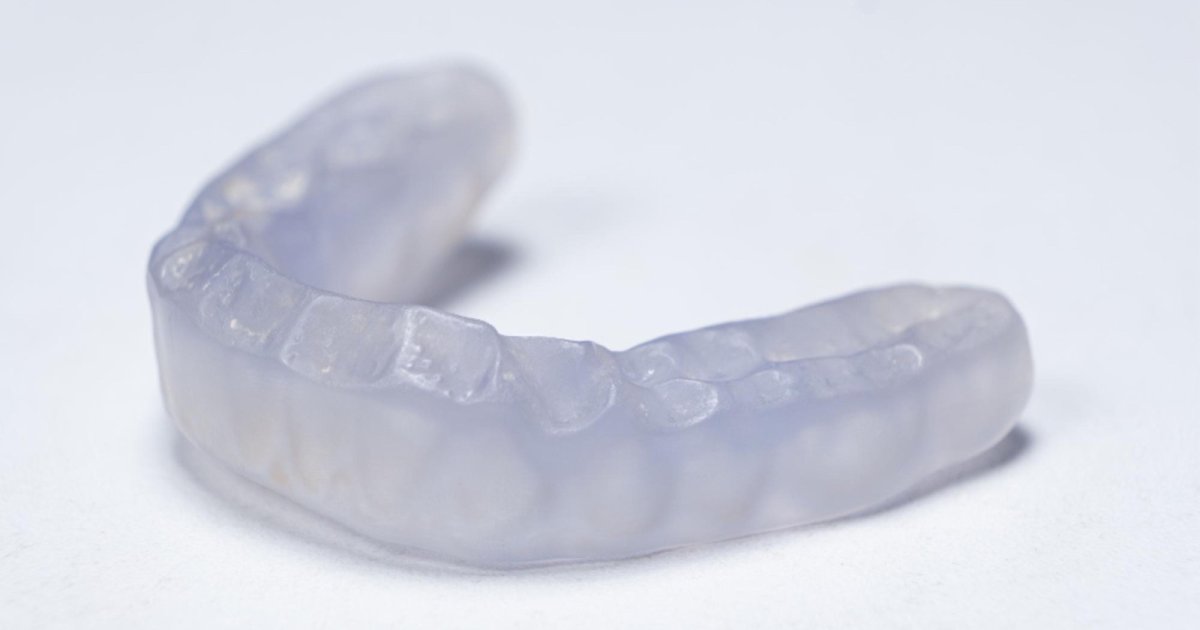
A night guard for teeth grinding is a different appliance to the mouthguards worn for sport, even though they can look similar at a glance. If you’re after information on protecting your teeth during football or other contact sports, our guide to custom sports mouthguards covers that separately. This article is specifically about night guards for teeth grinding: how they work, what they can and can’t do, and who tends to benefit from wearing one.
What a Night Guard (Occlusal Splint) Actually Does
An occlusal splint, more commonly called a night guard, is a custom-made appliance worn over the teeth during sleep. It separates the upper and lower teeth, so grinding or clenching occurs against the appliance rather than directly between the teeth.
A night guard protects teeth from the physical wear and damage caused by grinding. It doesn’t stop the grinding itself, and it isn’t a cure for bruxism or TMJ-related jaw disorders, both of which can have several different underlying contributors that a night guard alone doesn’t address.
Signs You Might Benefit From a Night Guard
A few patterns are worth mentioning to your dentist as possible signs of night-time grinding or clenching:
-
Waking with jaw soreness, tightness, or a headache, particularly around the temples.
-
Teeth that look more worn, flattened, or chipped than expected for your age.
-
Increased tooth sensitivity without an obvious cause.
-
A partner or family member mentioning they’ve heard grinding noises during the night.
-
Jaw clicking, stiffness, or discomfort when chewing.
Jaw Pain From Grinding
Jaw pain from grinding often comes from the muscles and joints being placed under repeated strain overnight, sometimes for hours without the person being aware of it. A night guard may help reduce some of this strain by limiting how directly the teeth contact each other, but it isn’t a treatment for the underlying cause of the grinding or for jaw disorders more broadly.
If jaw pain is persistent or significant, this is worth discussing with your dentist as part of a broader conversation, since other approaches may be relevant alongside or instead of a night guard depending on what’s contributing to it.
Custom vs Chemist Night Guard
Night guards are available both as custom-made appliances from a dentist and as over-the-counter options from a pharmacy, often a "boil and bite" style product.
Chemist night guards are generally more affordable and available without an appointment. They’re moulded by softening the material in hot water and biting into it to create a rough fit. This can work adequately for occasional or mild use, but the fit is less precise, which can affect comfort and how evenly the appliance manages contact between the teeth.
Custom night guards are made from an impression or digital scan of your own teeth, giving a more precise fit that sits securely and distributes contact more evenly across the appliance. They also tend to hold up better over time with regular use. Which option is appropriate depends on the extent of grinding and what your dentist observes during an assessment.
Night Guard Cost
Cost depends on the type of material used, the complexity of the appliance, and whether any additional assessment is needed beforehand. Because these factors vary, an itemised quote following an assessment is the way to understand what applies to your specific situation. Health fund rebates may apply depending on your policy.
How a Custom Night Guard Is Made
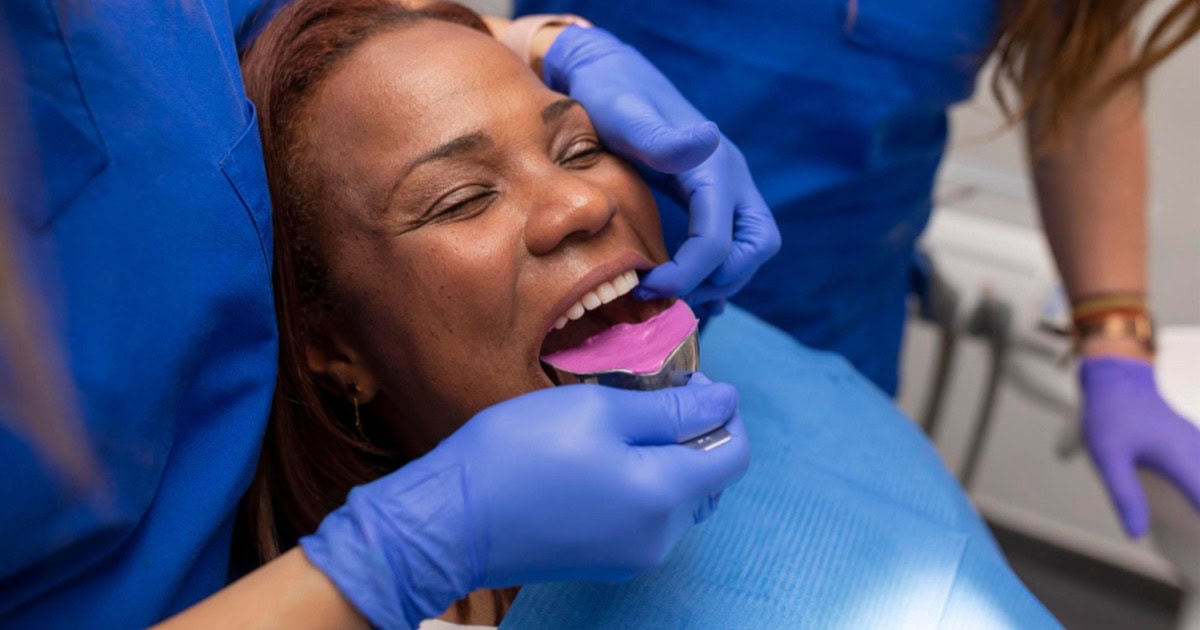
Getting a custom night guard generally starts with an assessment of your teeth and bite, followed by taking an impression or digital scan. This is sent to a dental laboratory, where the appliance is fabricated to fit your teeth precisely. Once it’s ready, a fitting appointment checks the fit and comfort, with any adjustments made at that point.
Night Guard Cleaning
Looking after a night guard properly helps it last and keeps it hygienic to wear:
-
Rinse it with cool water after each use.
-
Clean it gently with a toothbrush, checking with your dentist about whether toothpaste is suitable for your specific appliance material, since some pastes can be abrasive.
-
Store it in its case when not in use, rather than loose in a bag or on a surface.
-
Avoid hot water and prolonged exposure to heat, such as leaving the night guard on a car dashboard, as high temperatures can distort its shape and affect the fit.
-
Bring your night guard to regular dental check-ups so your dentist can check its condition and make sure it still fits properly.
What a Night Guard Won’t Do
It’s worth being clear about the limits of what a night guard achieves. It protects teeth from the physical wear caused by grinding contact, but it doesn’t stop the grinding behaviour itself, and it isn’t a cure for bruxism or TMJ disorders.
Underlying contributors to grinding, such as stress, sleep patterns, or bite alignment, aren’t addressed by wearing a night guard alone. If a broader jaw or grinding issue is suspected, your dentist may discuss additional approaches as part of managing it, rather than relying on a night guard as a complete solution.
FAQ
Will a night guard stop me from grinding my teeth?
No. A night guard protects your teeth from the wear caused by grinding, but it doesn’t stop the grinding behaviour itself. Addressing the underlying cause, if one is identified, is a separate conversation with your dentist.
How long does a custom night guard last?
This varies depending on how much wear it experiences and how it’s cared for, but many last several years with proper cleaning and storage. Your dentist can assess its condition at regular check-ups.
Can I just use a chemist night guard instead of a custom one?
It’s an option for mild or occasional use, though the fit is generally less precise than a custom appliance, which can affect comfort and how well it holds up over time. Your dentist can advise on what’s appropriate for your situation.
Will a night guard fix my jaw pain?
Not necessarily on its own. It may help reduce some strain by limiting direct tooth contact, but persistent jaw pain is worth discussing with your dentist, since a night guard isn’t a treatment for the underlying causes of jaw disorders.
How do I know if I actually need a night guard?
Signs like jaw soreness on waking, unusually worn teeth, or a partner noticing grinding sounds are worth mentioning to your dentist, who can assess whether a night guard is appropriate for your situation.
Is a night guard the same as a sports mouthguard?
No, they’re different appliances for different purposes. A sports mouthguard is designed to absorb impact during contact sports, while a night guard is designed to protect against wear from grinding during sleep.
Book a Night Guard Fitting in Belmont WA
If you’re noticing signs of grinding or jaw discomfort, an assessment is the way to find out whether a night guard is a suitable option for you.
At Epsom Dental Care, we see patients from Belmont, Redcliffe, Ascot, Kewdale, and Rivervale.
Call us on (08) 9478 2349 or book online. You’ll find us at 5/132 Epsom Ave, Belmont WA 6104.
Any surgical or invasive procedure carries risks. Before proceeding, consider seeking a second opinion from an appropriately qualified health practitioner.