

Dentures: Types, Fitting and How to Care for Them

Dentures remain a well-established way to replace missing teeth, and the right type for you depends on how many teeth need replacing, the condition of your gums and jawbone, and what you want day-to-day wear to feel like. This guide covers the main types of dentures, what the fitting process involves, what the adjustment period looks like, and how to look after them once they’re in.
Types of Dentures Explained
Full Dentures
Full (or complete) dentures replace an entire upper or lower arch of teeth. They’re an option once all natural teeth in that arch have been removed and the gums have healed, which can take several months. During that healing period, an interim option may be used so you’re not without teeth in the meantime.
Partial Dentures
Partial dentures fill the gap left by one or more missing teeth while your remaining natural teeth stay in place. They clip onto neighbouring teeth and can be removed for cleaning. This option suits people who still have a reasonable number of healthy teeth and don’t need a full arch replaced.
Immediate Dentures
Immediate dentures are fitted on the same day remaining teeth are extracted, so you’re not without teeth while your gums heal. Because the gums and bone continue to change shape during healing, an immediate denture needs adjustment or relining once healing is complete, and isn’t intended as the final long-term fit.
Implant-Retained Dentures
For patients wanting more stability than a removable denture provides, implant-retained dentures attach to dental implants placed in the jawbone. This reduces movement during eating and speaking, though it involves a surgical component and a longer overall timeline than a conventional denture. Whether this suits you depends on your bone density and overall health, which an examination can assess.
The Fitting Process
Getting a well-fitting denture takes more than one appointment, and that’s a normal part of the process rather than a sign something’s gone wrong.
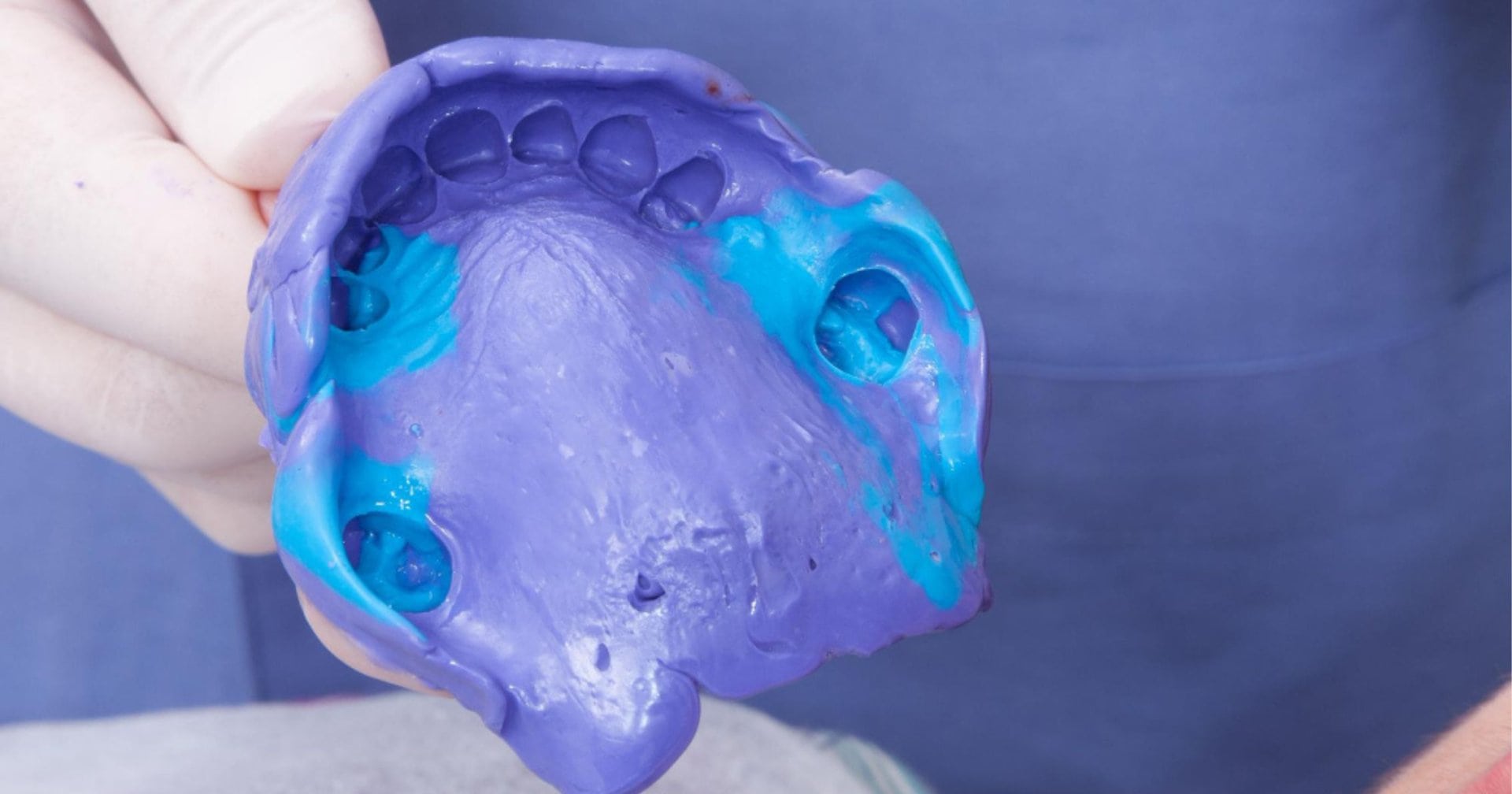
- Impressions and measurements: your Belmont WA dentist takes an impression of your gums and jaw, along with measurements of how your jaws relate to each other and to your bite.
- Wax try-in: a wax model is made and tried in your mouth so the shape, colour, and fit can be checked and adjusted before the final denture is made.
- Final fitting: once the try-in is approved, the final denture is processed and fitted. Small adjustments to the fit can happen at this stage and afterwards, as your mouth adapts.
Several visits are normal because each stage depends on the accuracy of the one before it — rushing the process risks a denture that doesn’t sit well against the gums.
Adjusting to Wearing Dentures
The first few weeks with a new denture involve an adjustment period. This is normal and settles as your mouth adapts, though the timeline varies between patients.
- Speech: some sounds, particularly those involving the tongue and palate, can feel different at first. Reading aloud or practising specific words can help you adapt more quickly.
- Eating: beginning with softer foods cut into smaller pieces and chewing equally on both sides of the mouth facilitates the transition. Harder or sticky foods are reintroduced gradually.
- Soreness: some soreness or rubbing in the first weeks can occur as your gums adjust to the denture’s pressure points. Persistent sore spots don’t need to be tolerated — an adjustment appointment can identify and ease the area causing irritation.
If soreness, looseness, or difficulty speaking hasn’t improved after the first few weeks, it’s worth having the fit checked rather than assuming it will resolve on its own.
What Affects Denture Cost
Denture cost depends on several factors rather than a single fixed price:
- Type: a full arch replacement involves more material and lab work than a small partial denture replacing one or two teeth.
- Extractions or preparation: if teeth need to be removed before a denture can be made, that’s a separate cost from the denture itself.
- Material and finish: different denture bases and tooth materials carry different costs, and your dentist can talk through the options relevant to your case.
- Implant retention: adding implants to anchor a denture involves surgical planning and the implants themselves, on top of the denture cost.
Private health insurance extras cover can contribute to denture costs, depending on your fund and policy, and annual limits apply. An itemised quote following an examination is the only reliable way to know what a specific case will cost.
Caring for Your Dentures
Day-to-day care comes down to a few consistent habits: cleaning them daily with a soft brush and a denture-specific cleaner rather than regular toothpaste, keeping them moist by soaking overnight rather than letting them dry out, and continuing to clean your gums, any remaining natural teeth, and your tongue even with a full denture. We’ve covered the full day-to-day routine in more detail in our denture care guide.
One thing worth calling out here specifically: as gums and the underlying bone change shape over time, a denture that once fit well can start to feel loose. A professional reline reshapes the fitting surface to match your current gum shape, and is a normal part of long-term denture care rather than a sign of a poor initial fit.
Choosing Between Removable and Implant-Retained Options
There isn’t a single right answer here — it comes down to your bone density, budget, and how much stability matters to you day to day. A removable denture is less involved upfront and can be adjusted or remade more easily over time. An implant-retained denture involves a surgical step and a longer overall timeline, but reduces movement during eating and speaking for many patients.
Results vary between patients, and there are limitations either way: implants require enough bone to support them, and even implant-retained dentures need the same daily hygiene attention as any other denture. An examination, including imaging of your jawbone, is what determines which options are realistically available to you.
When Dentures Need Repair or Replacement
A denture that’s become loose, cracked, or uncomfortable is worth having assessed rather than adjusted at home. Superglue and other DIY fixes can damage the material further and make a professional repair harder. Reasons a denture needs attention include:
- Looseness that’s developed gradually, linked to changes in the gums and jawbone as they remodel over time
- Visible cracks or chips, particularly after a drop
- A change in bite or fit that makes chewing less comfortable than it used to be
Bone naturally continues to remodel after teeth are lost, which is why a denture that fit well when first made can need adjustment years later even without an obvious cause. This is a separate topic in more depth on our site — if you’re dealing with a specific denture repair, it’s worth booking an assessment so we can look at what’s actually needed.
Frequently Asked Questions
How long do dentures last?
This varies depending on the individual, how the denture is cared for, and how much the gums and jawbone change over time. Regular check-ups help catch fit changes before they become a bigger problem.
How much do dentures cost?
This depends on the type of denture, the number of teeth being replaced, and any additional steps like extractions or implants involved. An accurate figure requires an examination first.
Can I sleep in my dentures?
Removing dentures overnight is recommended, giving your gums a rest and reducing the risk of irritation. Soak them in water or a denture solution while they’re out.
Will my dentures need to be relined?
Most dentures need a reline at some point, since gums and bone continue to change shape after teeth are removed. This is a normal part of long-term denture care.
Are implant-retained dentures better than removable ones?
Neither option is universally better — it depends on your bone density, overall health, and what matters most to you day to day. An examination can help determine which suits your situation.
Book a Denture Consultation in Belmont WA
Whether you’re considering dentures for the first time or dealing with an existing one that’s no longer fitting well, an assessment is a practical starting point for a plan specific to your mouth. At Epsom Dental Care, we see patients from Belmont, Redcliffe, Ascot, Kewdale, and Rivervale.
Call us on (08) 9478 2349 or book online. You’ll find us at 5/132 Epsom Avenue, Belmont WA.
Any surgical or invasive procedure carries risks. Before proceeding, consider seeking a second opinion from an appropriately qualified health practitioner.